Art Think Pieces, Genre Reflections

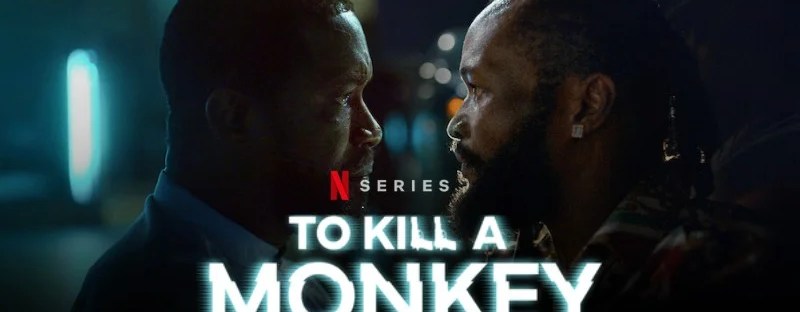
Kemi Adetiba’s To Kill a Monkey Review: Gangsterism and Nollywood Trap

In almost all of Nigeria’s history, this is the standard narrative and the most potent trigger for the japa waves. In this way, Efe, the central character in To Kill a Monkey, is an everyman, an every Nigerian. For the unemployed, or the underemployed, as in the case of Efe, what remains is often a desperate search for an exit route, one that usually leads to crime.
Genre Reflections, My Posts, Reviews

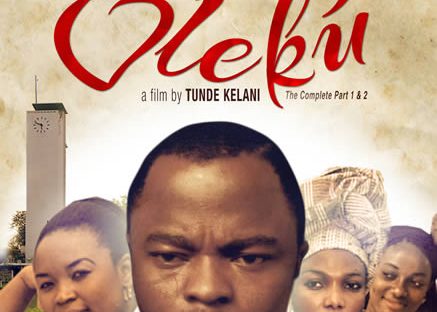
Teaching Oleku: Tunde Kelani’s Yoruba Classic for a New Generation

What happens when a 1997 Yoruba classic meets a new generation of heritage learners? In my class, Oleku sparked rich conversations on love, family, and the tug-of-war between tradition and modernity, revealing that some stories remain timeless, even decades later.

My Posts

Currently studying for a Ph.D. at the University of Wisconsin Madison, I am interested in African literature, popular culture, digital space, and political economy. I have experiences that intersect cultural journalism, literary publishing, and digital media from previous works as a journalist in Lagos and a publishing editor in Ibadan, Nigeria. I also have university teaching experience from my graduate teaching assistantship position at Bowling Green State University, Ohio. I enjoy watching football (soccer), and scrolling through my Twitter feeds to see how the world speeds up in conversations. Need an entry point to Nigeria? I recommend Nollywood and Afrobeats to you.

Odds and Bits

When Awolowo and Akintola Fought in the Moon

In the heat of the political imbroglio which birthed the notorious operation wetie (operation wet it) in which a lot of arson was committed by supporters of both politicians, there arose different urban legends about Awolowo and Akintola and how they were trying to outdo each other, even with the help of the extraterrestrials, in the supremacy battle.

Art Think Pieces, Genre Reflections

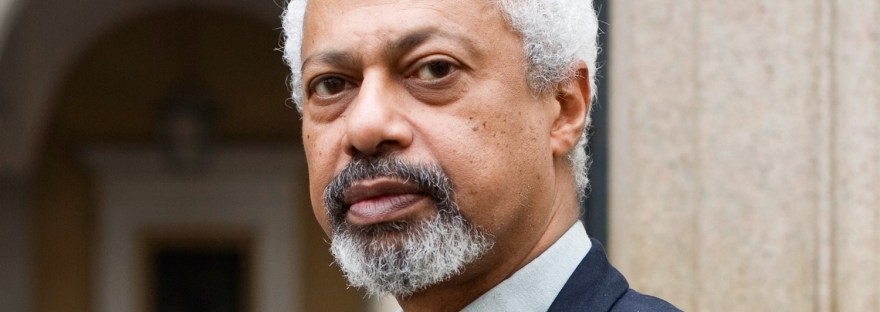
Meeting Abdulrazak Gurnah the First Time

My immediate reaction to his win bordered on perplexity and would shift to saddening shame, only redeemed somewhat later-later when it was clear that nobody seemed to know the man, except very few whose knowledge of him could never have nudged them to think he'd ever be considered, let alone announced as winner of the Nobel. My own perplexity and shame hinged solely on a realization that I did not encounter Gurnah at all across two degrees pursuits at arguably the most important university in the discourse of African literature.